


Horse Racing Betting – Complete Guide
Introduction
Horse racing is one of the oldest and most established sports in the world, with a long tradition in many major racing countries. In South Africa, it has a recognised place in the local betting landscape, with well-known race meetings, dedicated racing followers and regular betting interest. The sport combines speed, strategy and race-day analysis, making it appealing both to racing fans and to players who prefer detailed pre-race evaluation.
Why horse racing is interesting for betting:
- Rich history and tradition – a sport with long-standing prestige and major international events such as the Kentucky Derby and the Grand National.
- A wide variety of betting markets – not only for the winner, but also for place, exact finishing order, combination bets and other specialist racing markets.
- Short race duration – results are decided quickly, which makes the betting experience dynamic and easy to follow.
- Strong focus on analysis – the horse’s form, jockey, track conditions and weather can all influence the final outcome.
- Regular racing schedules – horse racing events are often available across different tracks, countries and time zones, giving bettors many opportunities to compare markets.
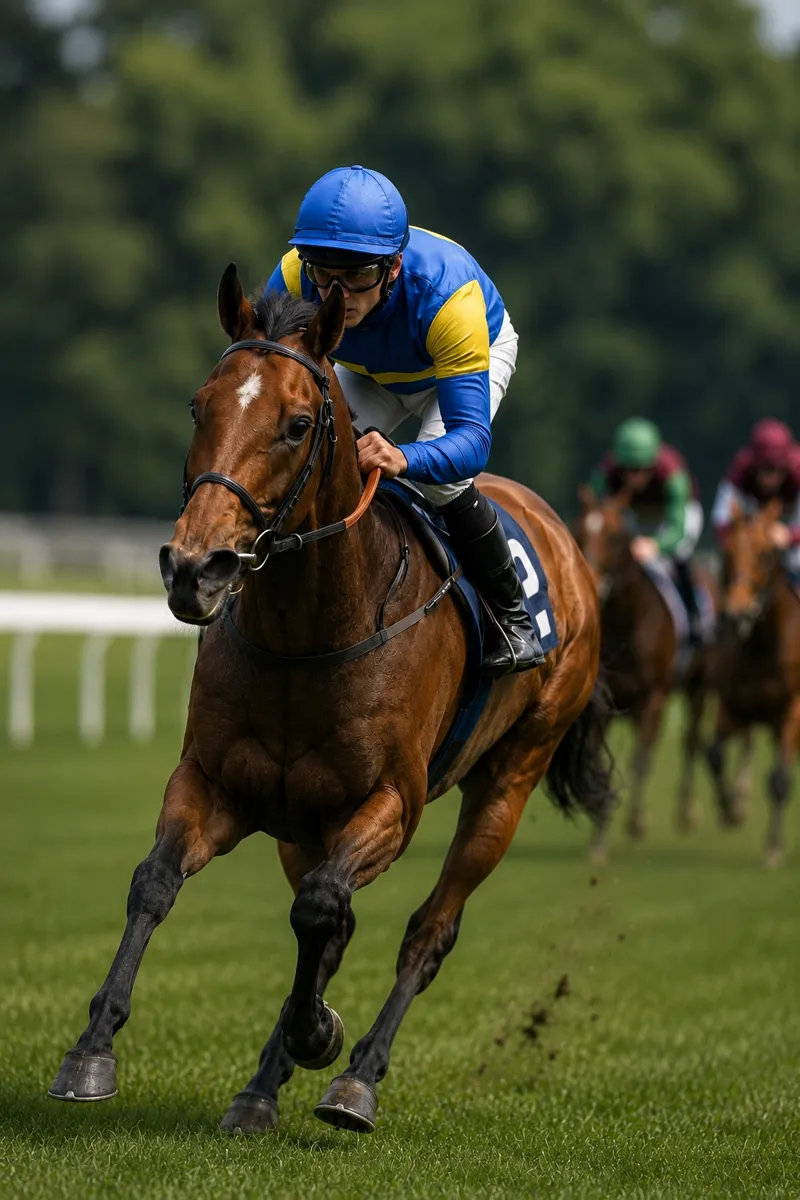
Betting on horse racing has existed for centuries and remains one of the most recognisable forms of sports betting. Today, licensed South African betting operators may offer access to a broad selection of racing events, from local meetings to major international races, depending on their sportsbook coverage.
This guide explains the basics of horse racing betting, the main market types, practical betting strategies and common mistakes to avoid. The goal is to help you understand the sport better, compare markets more carefully and approach horse racing bets with discipline and responsible bankroll management.
Basic Rules of Horse Racing
How races are run
Jockeys and horses
Each jockey rides one racehorse and tries to guide it to the best possible finish.
Race distance
Race distances vary by meeting and race type, with different formats requiring different levels of speed and stamina.
First past the post
In most standard win markets, the winning horse is the one that crosses the finish line first.
Horse racing is a sport in which jockeys ride horses over a set course, aiming to reach the finish line ahead of the rest of the field. Races can differ by distance, surface, class and format, which is why each event needs to be assessed on its own terms.
The most common form is flat racing, where horses compete on a level track without obstacles. Horses may be grouped according to factors such as age, weight, sex, rating or previous performance. Each race has its own conditions, and those conditions can influence the tactics used by jockeys and trainers.
In South Africa, horse racing has an established betting audience, with race meetings, local tracks and televised coverage forming part of the wider sports betting market. Bettors usually compare the field, recent form, jockey bookings and track conditions before choosing a selection.
Important: the result of a race can be influenced by many factors, including the track condition, the horse’s current form, the jockey’s experience, the weather and the starting position. These details are important when analysing a potential bet.
Before placing a bet, it helps to understand the race type, the background of the runners, the form of the horses and previous results under similar conditions. Some horses perform better on soft or wet ground, while others are more effective on a firmer surface.
Understanding horse racing is not only about knowing which horse is the favourite. A less obvious runner can still be competitive if the race conditions suit it, the jockey has a clear tactical plan or the market has underestimated its chances. Successful betting requires observation, analysis and disciplined decision-making.
Types of Horse Racing Bets
In horse racing betting, there are several common bet types, each with its own level of complexity, risk and potential return. Understanding the main options is important before placing a bet, especially if you are new to racing. The right market should match your analysis of the race, the field and the conditions.
The simplest and most popular bet is the Win bet. You select one horse that you believe will finish first. If your selection wins the race, the bet is successful. This is a straightforward option, but it can still carry significant risk, especially in competitive fields with many runners.
With a Place bet, your selected horse needs to finish within the required placing positions, such as the top 2, 3 or 4, depending on the race rules and the number of runners. This type of bet usually offers a higher chance of success than a Win bet, but the odds are normally lower.
Some licensed betting operators also offer markets for a horse to finish in the leading positions. In this case, your selection must place within a defined range according to the market rules. This can be a more cautious alternative to betting only on the outright winner.
An Each Way bet combines two parts: one part on the horse to win and one part on the horse to place. If the horse wins, both parts can return a payout. If it only finishes within the required place positions, only the place part may pay out. This option is often used when backing horses at higher odds.
Combination bets such as Exacta, Trifecta, Forecast and Tricast require you to predict the exact finishing order of the first two or three horses, depending on the market. These bets can offer higher potential returns, but they are much harder to predict and should be treated with caution.
Some sportsbooks may also offer live betting on selected races. These markets change while the race or race card is active and require quick decisions. Live horse racing betting can be exciting, but it also increases the risk of emotional or rushed choices.
Before placing a bet, always review the race conditions, the form of the horses, the jockeys and any relevant weather or track factors. Careful analysis and disciplined staking are more useful than relying on instinct alone. Build a clear strategy and avoid betting simply because the odds look attractive.
Horse Racing Betting Markets
Horse racing betting offers a wide range of markets, allowing players to choose an approach that suits the race, the field and their level of experience. Each market has its own structure, risk profile and potential return, so it is important to understand how the bet works before placing money on a selection.
The most common market is the winner market. You choose one horse that you expect to finish first. It is a simple and direct bet, but it can be risky in large or competitive fields where several runners have realistic chances.
In a place market, your selected horse must finish within the required placing positions, such as the top 2, 3 or 4, depending on the race and bookmaker rules. This market usually gives a better chance of a return than a straight win bet, but the odds are normally lower.
Each Way is a combined bet with one part on the horse to win and another part on the horse to place. If the horse wins, both parts can pay out. If it places without winning, only the place part may return a payout, based on the market terms.
More advanced markets include Forecast, Exacta, Tricast and Trifecta. These require you to predict the exact finishing order of the first two or three horses, depending on the specific market. The potential returns can be higher, but the difficulty and risk are also much greater.
Some licensed betting operators may also provide special racing markets linked to selected races, race cards or featured runners. These can include markets for a horse to achieve a particular finishing position or to perform better than another runner. They can be useful, but they require careful reading of the market rules.
The variety of horse racing markets allows you to adapt your bets according to horse form, track conditions, jockey experience and the overall race setup. Choose the market that fits your analysis, not simply the one with the highest odds.
Bonuses and Promotions
Many licensed South African betting sites may offer a welcome bonus or first-deposit promotion that can sometimes be used on horse racing. The exact value, qualifying deposit, eligible markets and wagering requirements vary by operator, so it is important to read the full terms before claiming any offer.
Free bets are also common in sports betting promotions. A bookmaker may provide a free bet amount in rand, which can be used on selected races or markets. In many cases, only the net winnings are returned if the free bet wins, while the free bet stake itself is not paid out.
Cashback promotions may apply to selected racing bets or specific promotional periods. For example, a player might receive a percentage of qualifying losses back under clearly defined rules. These offers can reduce part of the risk, but they should never be treated as guaranteed protection from losses.
Some betting operators offer boosted odds on selected horses, featured races or major racing events. These promotions can improve the potential return on a specific selection, but they usually come with restrictions such as maximum stake limits, eligible markets or limited availability.
Additional offers may sometimes be linked to specialist racing markets such as Forecast, Tricast or other combination bets. Because these markets are more complex, always check whether the promotion applies to the exact bet type you plan to use.
Around major racing events, betting sites may run race-day promotions, enhanced prices or free bet campaigns. Always review the terms and conditions, minimum odds, expiry dates and withdrawal rules before participating. A promotion should support your betting plan, not encourage rushed or oversized stakes.
Horse Racing Betting Strategies
Value betting in horse racing means identifying cases where the market may be underestimating a horse’s chance. For example, if your analysis suggests that a horse has a better winning chance than the odds imply, that may represent value. This approach requires patience, comparison of prices and a clear understanding of form, race conditions and market movement.
With flat betting, you stake the same amount on each selection, regardless of whether you are backing a favourite or a longer-priced runner. This helps build discipline and bankroll control, which is especially important in a sport where results can be unpredictable.
Martingale and similar progressive systems are sometimes used after losing bets, usually by increasing the next stake in an attempt to recover losses. This approach carries a high level of risk, especially during a poor run of results, and can quickly put pressure on your bankroll. It should be avoided unless strict limits are in place.
Strong horse racing strategies often include analysis of jockeys and trainers. Some jockey-trainer combinations perform consistently well together, while certain jockeys may be better suited to specific horses, tracks or race types. Reviewing these details can provide useful context beyond the basic odds.
Do not ignore track conditions. Some horses perform better on soft ground, while others are more effective on firmer surfaces. The race distance, field size, draw position and whether the race is flat or includes obstacles can all influence the outcome.
Choose a strategy that matches your betting style, budget and level of experience. Combine race knowledge with form analysis, jockey information and track conditions. Most importantly, avoid betting blindly. Long-term improvement comes from discipline, research and careful bankroll management.
Tips for Beginners
Before placing your first bet, it is important to understand the basic horse racing terminology. Terms such as Win, Place, Each Way, Forecast and Trifecta all describe different types of bets. Knowing what each market means will help you avoid simple mistakes.
As a beginner, it can be tempting to bet on every race available. A better approach is to focus on a small number of races where you have enough information about the horse, jockey, trainer and track conditions. Selective betting is usually more disciplined than chasing constant action.
Set a clear betting budget before you start and decide how much of it you are prepared to stake on each race. Avoid increasing your stakes randomly after a loss or a win. Keeping simple notes on what you backed, why you made the bet and what the result was can help you improve over time.
Beginners often trust the horse with the shortest odds, but not every favourite wins. Review the horse’s previous performances, how it handles similar track conditions, whether the distance suits it and how it performs with the assigned jockey. Independent judgement is important in horse racing betting.
Bet only with money you can afford to lose and treat horse racing betting as a form of entertainment, not as a guaranteed source of income. Be patient, keep learning and avoid emotional decisions. A steady, responsible approach is much more useful than trying to force quick results.
Common Horse Racing Betting Mistakes
One of the most common mistakes is betting only on the favourite in every race. Short odds can look safe, but they do not always reflect the real risk. No horse is guaranteed to win, especially when factors such as track condition, distance, draw position or weather work against it.
Many beginners focus only on the horse’s recent form, but the jockey can be just as important. Experience, race tactics, confidence and familiarity with the horse can all influence performance. Ignoring the jockey means missing a key part of the overall race analysis.
Different race types require different qualities from a horse. A runner that performs well in a flat race may not be suited to a longer distance, a softer surface or a different racing setup. If you do not understand the race conditions, it is better to avoid the bet than to guess.
Trying to recover a loss immediately is one of the biggest risks in horse racing betting. Emotional staking often leads to rushed decisions, larger bets and weaker analysis. Take a break, review the race calmly and continue only if there is a clear reason for the next selection.
Without tracking your betting history, it is difficult to improve. A simple record of your selections, stake sizes, reasoning and results can show where your approach is working and where it needs adjustment. Consistent review helps reduce repeated mistakes and supports more disciplined betting.
Horse Racing Bet Examples
A bettor analyses a race where one horse is priced at 9.00, despite having strong previous form on soft ground. After reviewing the track conditions and weather forecast, the bettor places R150. If the horse wins, the total return would be R1,350. This is an example of a value bet based on race conditions rather than popularity.
A licensed betting operator offers a R100 free bet for selected horse racing markets. The bettor uses it on a Win market at odds of 6.50. If the selection wins, the bettor usually receives the net winnings, while the free bet stake itself may not be returned, depending on the promotion rules.
An experienced bettor places R80 each week on horses with consistent form but without simply backing the favourite. The bettor focuses on the Place market, where moderate odds and careful selection can support a more stable long-term approach.
A multiple bet across three different races has combined odds of 14.00. After the first two selections win, the bettor uses cash out instead of waiting for the final race. This is an example of risk management, especially when the last leg still carries uncertainty.
A bettor predicts the exact order of the first two horses using a Forecast market. The stake is R50 at odds of 18.00. If the prediction is correct, the return can be significant, but this type of bet is difficult and should be used carefully.
Legislation and Licensing
In South Africa, betting and gambling are regulated through a national and provincial framework. The National Gambling Board provides national oversight, while provincial licensing authorities regulate licensed operators within their respective provinces.
Horse racing betting should only be placed through a licensed South African betting operator. A properly licensed bookmaker operates under defined rules, must comply with regulatory requirements and should clearly display its licence information on its website or platform.
The key point for players is to confirm that the operator is licensed by the relevant provincial gambling authority and appears as a verified or legally authorised operator where applicable. International branding alone is not a substitute for local South African licensing.
Using unlicensed betting sites carries serious risks, including unclear withdrawal rules, weak consumer protection, unreliable support and possible disputes over payouts. Regulated operators are subject to licensing conditions and oversight, which provides a safer environment for sports betting.
Before depositing, check the operator’s licence details, responsible gambling information, security measures and payment terms. You can also use official regulatory resources, including the National Gambling Board and relevant provincial gambling boards, to help verify whether an operator is authorised in South Africa.
Frequently Asked Questions (FAQ)
The first step is to choose a licensed South African betting operator that offers horse racing markets. After registration and account verification, you can make a deposit, review the available races and select the market you want to bet on. It is important to understand the basic horse racing bet types before placing your first wager.
The main bet types include Win, Place and Each Way. You may also find markets for predicting the exact finishing order or combining several horses in one bet. Each option has a different level of difficulty, risk and potential return.
Yes. Common approaches include analysing the horse’s form, previous performances, track conditions, distance, jockey and trainer information. Some bettors also use value betting, where they look for odds that may be higher than the horse’s realistic chance suggests. Avoid relying only on favourites, because shorter odds do not guarantee a winning result.
Some licensed betting sites may offer live betting on selected horse racing events or race cards. Live odds can change quickly as market conditions develop, so this type of betting requires focus and discipline. It can create extra opportunities, but it also increases the risk of rushed decisions.
Avoid betting randomly or only by instinct. Do not chase losses, and always manage your bankroll carefully. Betting too heavily on favourites, ignoring track conditions or overlooking jockey information are common mistakes. A clear pre-race analysis is more reliable than emotional betting.
Horse racing betting should be done only through a licensed South African betting operator. Before depositing, check that the bookmaker is licensed by the relevant provincial authority and provides clear licence details, responsible gambling information and secure payment options.