


Formula 1 Betting – Markets, Strategies and Tips
Introduction
Formula 1 is more than just a motor race – it is an elite motorsport with a long history, a global audience and a highly competitive racing environment. From iconic circuits such as Monaco and Monza to modern tracks in the Middle East and Asia, F1 attracts millions of fans and bettors around the world. In South Africa, interest in Formula 1 betting has also grown as licensed sports betting sites continue to expand their motorsport markets.
Formula 1 appeals to bettors for several key reasons:
- The intensity and unpredictability of each race – a single lap can change the entire direction of the Grand Prix.
- A wide range of betting markets – race winner, qualifying positions, fastest lap, driver head-to-heads and more.
- A season calendar with more than 20 races a year – creating betting opportunities across many weekends from March to December.
- Access to detailed statistics, analysis and expert insight, which can support more informed betting decisions.
- The option for live betting, where the race dynamics can affect odds in real time.
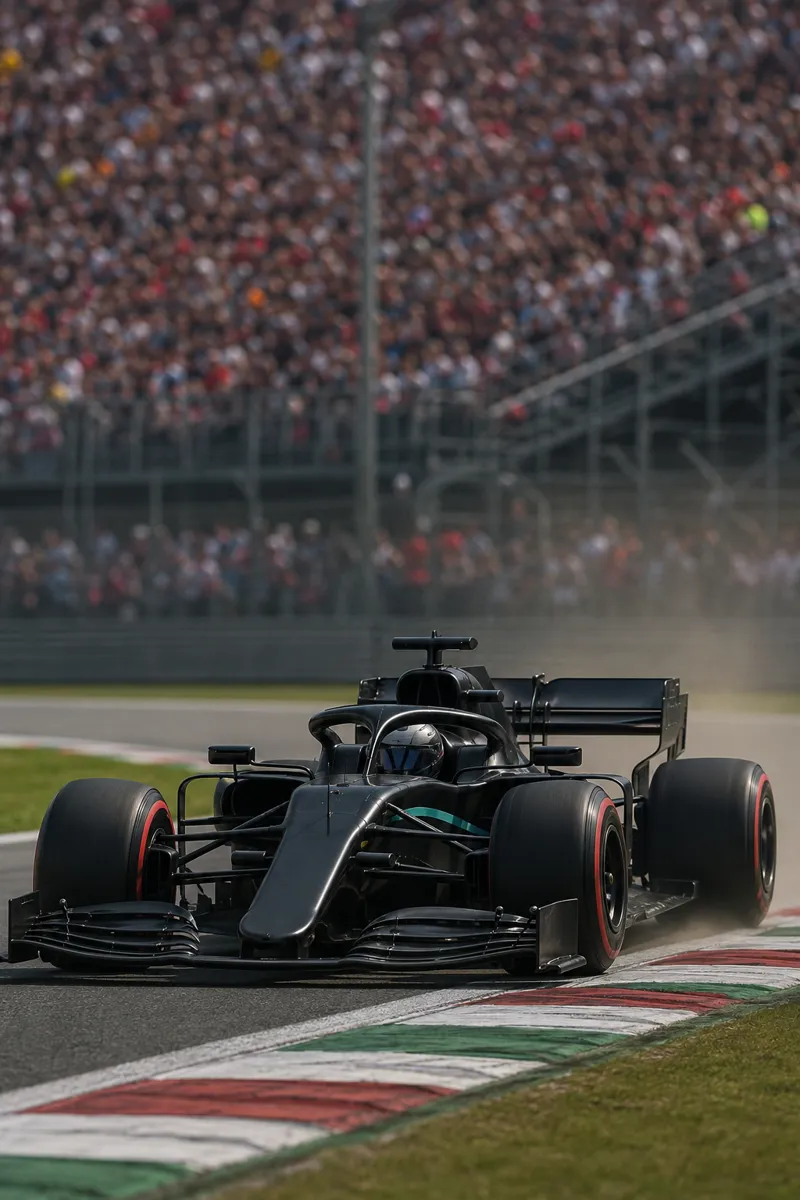
The history of Formula 1 dates back to the middle of the 20th century, while betting on the sport became much more accessible with the development of digital technology. Today, bettors can follow F1 from a smartphone or computer, tracking the action live as every lap unfolds.
This guide explains the basics of Formula 1 betting: key markets, practical strategies, first steps for new bettors and common mistakes to avoid. The goal is to provide clear, useful information that can help you bet more thoughtfully and responsibly.
Basic Rules of the Sport
How Formula 1 Works
Drivers and Teams
The starting grid usually features 10 teams with 2 drivers each.
Grand Prix Weekends
A race weekend includes practice, qualifying and the main race, with sprint formats used at selected events.
First to the Finish
The winner is the driver who crosses the finish line first after the required number of laps.
Formula 1 is the top category of motorsport – fast, technical and often unpredictable. Before placing F1 bets, it is important to understand the basics of how the championship works.
Each race features drivers from several teams, and a typical Grand Prix weekend includes practice sessions, qualifying and the main race. Some weekends also include a sprint format. The winner is the driver who crosses the finish line first after completing the scheduled number of laps.
F1 does not follow a fixed match-style duration in the same way as many other sports. What matters is the number of laps and which driver can combine speed, consistency and race strategy most effectively. Factors such as tyre strategy, weather, safety cars and technical problems can all change the final result.
Important: Races can include crashes, penalties, car reliability issues, poor strategy calls or slow pit stops – any of these factors can affect the race outcome and the result of your bet.
Before betting, consider the driver’s form, performance at the specific circuit, weather conditions, car setup and team strategy.
Understanding Formula 1 means looking beyond speed. It also involves assessing tactical decisions, tyre choices, pit-wall calls and knowing when to bet responsibly.
Types of Bets
The world of Formula 1 betting offers a wide range of options for fans of speed, strategy and competitive racing. Whether you are a new bettor or someone who already follows Grand Prix weekends closely, understanding the main bet types can help you make more informed decisions.
The most common option is the race winner bet. You simply choose which driver will finish first. While this sounds straightforward, team strategy, weather and pit stops can quickly change the outcome.
If you are not confident about the outright winner, you can bet on a podium finish – whether a driver will finish inside the top 3. This can be a more conservative option, especially when choosing consistent drivers who are often near the front.
Another popular market is the fastest lap. Here, you bet on which driver will record the best lap time during the race. This market often depends on tyre strategy, track position and how the race develops.
You can also bet on qualifying – for example, who will take pole position or which driver will qualify ahead of another. These bets are placed before the main race and can give useful insight into the pace of each car.
Some licensed betting operators also offer retirement markets – whether a driver will finish the race or not, as well as markets on safety cars or the number of retirements.
When betting on Formula 1, it is important to follow driver form, circuit characteristics and weather conditions. Do not rely only on big names – in F1, small details often make the difference.
Available Formula 1 Betting Markets
Formula 1 betting is not limited to picking the winner of a race. Licensed South African betting operators may offer a range of markets covering different parts of a Grand Prix weekend. This gives bettors the opportunity to choose markets that match their analysis, knowledge of the sport and preferred level of risk.
The most common markets include race winner, podium finish (top 3), points finish and fastest lap.
If you prefer more focused options, you can look at driver head-to-head markets – which driver will finish ahead of another in a selected pairing. These markets allow for more precise betting based on form, starting position and race pace.
More detailed markets may include first driver to retire, whether a selected driver will finish the race, finishing position or whether there will be a safety car.
Some betting operators may also offer special markets related to number of pit stops, team performance or results in qualifying. These markets usually require a deeper understanding of race strategy and track conditions.
Understanding the different Formula 1 markets can help you make more balanced decisions. Combine statistics, weather forecasts and practice-session information to support more informed bets.
Bonuses and Promotions
Welcome bonuses are usually activated after registration and a first deposit. They are often offered as a percentage match up to a specific limit, for example up to R2,000. To use them properly, always check the wagering requirements, minimum odds and any market restrictions.
Licensed South African betting operators sometimes offer free bets for markets such as race winner, podium finish or fastest lap. If the bet wins, the return usually includes only the net profit, so the promotion rules should be checked before placing the bet.
Some operators also provide cashback offers, such as a partial refund on net losses over a selected period. This can reduce part of the risk, but the exact terms, limits and qualifying markets should always be reviewed before opting in.
Around major races such as Monaco, Silverstone or the final Grand Prix of the season, betting sites may run special promotions. These can include boosted odds, free bets or limited-time Formula 1 offers.
If you prefer multiple selections, you may also find accumulator bonuses, where potential returns are increased when a bet slip includes a required number of qualifying selections.
Follow temporary campaigns, but always read the terms and conditions carefully. Use bonuses sensibly, keep your staking under control and treat Formula 1 betting as entertainment, not as a guaranteed way to make money.
Betting Strategies
In Formula 1 betting, a value betting approach is based on identifying odds that appear higher than your own estimate of the real probability for a specific driver or team. For example, if a driver performs strongly in qualifying but the market still underrates their chances, this may create a potential value bet. Circuit analysis, weather conditions and team strategy are all important factors.
Flat betting can work well for Formula 1 because it keeps staking simple and controlled. By using consistent stake sizes across races or qualifying markets, you reduce the risk of quick losses and build a more disciplined betting approach.
The Martingale strategy can be risky in Formula 1 because race outcomes often depend on technical failures, incidents or pit-wall decisions. Although increasing the next stake after a loss may seem logical, poor control can lead to a rapid loss of betting funds.
Formula 1 requires a specific betting approach. Follow driver performance during practice sessions, track conditions and the weather forecast. Good opportunities can also appear in live betting, especially after early incidents or when teams choose different pit strategies.
Use historical driver results at specific circuits, average pace, qualifying data and tyre performance. Statistics can help you make more informed predictions instead of relying only on the favourite.
Choose a strategy that matches your betting style and budget. Formula 1 requires patience, analysis and an understanding of technical details. Combine knowledge with self-control, discipline and responsible staking.
Tips for Beginners
In Formula 1, not all races are the same – some circuits suit certain teams and drivers better than others. Beginners can start by focusing on well-known tracks such as Monza, Silverstone or Spa, where historical performance data is often easier to analyse.
Do not be misled by very short odds on favourites – even the strongest drivers can retire because of technical problems, incidents or poor strategy. On the other hand, very high odds usually carry greater risk. Look for value, not just famous names.
It is important to keep control of your betting bankroll. Avoid staking more than 2–5% of your budget on a single event, especially when you are starting out. Track your bets and review your results to build a more sustainable approach.
Emotions are a common problem in F1 betting. If your favourite driver retires, avoid rushed follow-up bets. Even after a good run, do not increase your stakes without a clear reason. A calm and consistent approach is usually safer.
Treat Formula 1 betting as a mix of analysis and entertainment, not as a way to make quick money. Use statistics, follow team news and weather updates, learn gradually and stay patient.
Common Mistakes
Many beginners focus only on who will win the race. In Formula 1, however, there are several other popular markets, including driver head-to-heads, podium finish, fastest lap and more. Ignoring these options can limit your betting choices.
Some bettors choose popular drivers only because of their name or reputation. This can lead to emotional decisions if driver form, car setup and circuit characteristics are not considered. Do not bet on names alone – look at the wider racing context.
Underestimating qualifying is another common mistake. Qualifying gives useful insight into pace, car balance and team performance. It is also important to watch for penalties or changes to the starting grid.
Formula 1 can be unpredictable, with crashes, tyre problems, safety cars and penalties all affecting the result. After a losing bet, some bettors rush to recover their money immediately. This often leads to poorly planned decisions.
Formula 1 is a technical sport, shaped by aerodynamics, car setup and pit strategy. Ignoring these factors is a mistake. It is worth checking how teams and drivers perform at different types of circuits before placing a bet.
Examples of Real Bets
A bettor analyses a race where a certain driver is offered at higher odds than they believe are justified. After reviewing qualifying, recent form and track conditions, they choose that driver. This is an example of a value bet.
A bettor uses a free bet from a licensed betting operator on a market such as fastest lap or podium finish. If the selection wins, the return normally includes only the net profit, depending on the offer terms. This is a practical example of using promotions carefully.
A bettor regularly chooses markets such as driver to finish in the points or top 6 finish, while analysing circuits, car performance and qualifying results. With small and consistent stakes, they follow a more disciplined approach.
A bettor places an accumulator bet and receives a cash-out option during the race. Instead of taking additional risk, they decide to secure part of the potential return before the race situation changes.
A bettor selects a higher-risk market such as first driver to retire or whether there will be a safety car. These markets are harder to predict, but with careful research they may offer higher odds.
Legislation and Licences
In South Africa, sports betting, including Formula 1 betting, is regulated through a national and provincial framework. The National Gambling Board oversees gambling regulation at national level, while provincial gambling boards are responsible for licensing and enforcement within their own jurisdictions.
Formula 1 betting can be offered legally in South Africa when it is provided by a licensed South African bookmaker. Bettors should use operators licensed by the relevant provincial authority and avoid unverified sites that do not clearly display local licensing information.
Licensed betting operators in South Africa must comply with regulatory requirements covering fair betting markets, player protection, account verification and responsible gambling controls. A valid local licence is an important sign that the operator is subject to formal oversight.
Using unlicensed betting sites for Formula 1 betting can create serious risks, including unpaid winnings, weak complaint protection and poor handling of personal or financial data. It is safer to use verified licensed operators rather than sites that operate outside South African regulatory control.
You can check whether a bookmaker is licensed by reviewing its licence details in the website footer and comparing them with information from the relevant provincial gambling board or the National Gambling Board’s verified operator resources. Also look for secure account access, clear terms and responsible gambling information before placing a bet.
Frequently Asked Questions (FAQ)
Start by choosing a licensed South African bookmaker that offers Formula 1 betting markets. After registering and making a deposit, select the race or market you want to bet on, such as Grand Prix winner, fastest lap or podium finish. Make sure you understand the rules of the selected market before placing a bet.
Formula 1 offers a variety of betting options, including race winner, top 3 finish, fastest lap, driver head-to-head, whether there will be a safety car and more. Many licensed betting sites also offer qualifying markets and season-long bets such as drivers’ champion or constructors’ champion.
Yes. One common approach is to analyse historical driver performance at specific circuits. Bettors may also consider team form, weather conditions, qualifying results and the starting grid. Another approach is value betting, where the odds appear higher than the realistic chance of an outcome happening.
Yes. News about technical issues, penalties, weather changes and results from practice and qualifying can be very useful when assessing Formula 1 markets. For example, if a driver starts from the back of the grid because of a penalty, their chances of winning may change significantly.
A common mistake is betting only on a driver’s name or personal preference without proper analysis. Some bettors also ignore race conditions, circuit statistics or qualifying performance. It is better to bet with a clear strategy and avoid decisions based mainly on emotion.
Yes, many licensed South African betting operators offer mobile apps or mobile-optimised websites. This allows you to place bets and follow markets in real time, including during live Formula 1 events. Make sure you use a secure connection and keep your account protected.