


Formula 1 Betting – A Complete Guide
Introduction
Formula 1 represents the pinnacle of global motorsport, combining cutting-edge technology, elite driver skill, and strategic precision. In India, interest in F1 has grown significantly over the past decade, fuelled by the country’s expanding motorsport community, accessible live broadcasts, and the emergence of online betting platforms that offer a wide range of race markets.
The Formula 1 World Championship features 22 drivers and 11 teams, competing in Grands Prix across multiple continents. Each race presents a unique set of variables — from track design and weather to pit strategy and driver consistency. This unpredictability makes F1 particularly appealing to bettors who enjoy analysing data and anticipating tactical shifts.
Why is Formula 1 so appealing to bettors in India?
- A global calendar with more than 20 races annually — offering new betting opportunities almost every weekend.
- Diverse betting markets – including race winners, podium finishes, fastest laps, qualifying results, and driver head-to-heads.
- Constant access to statistics and real-time data – enabling bettors to make informed, strategic decisions.
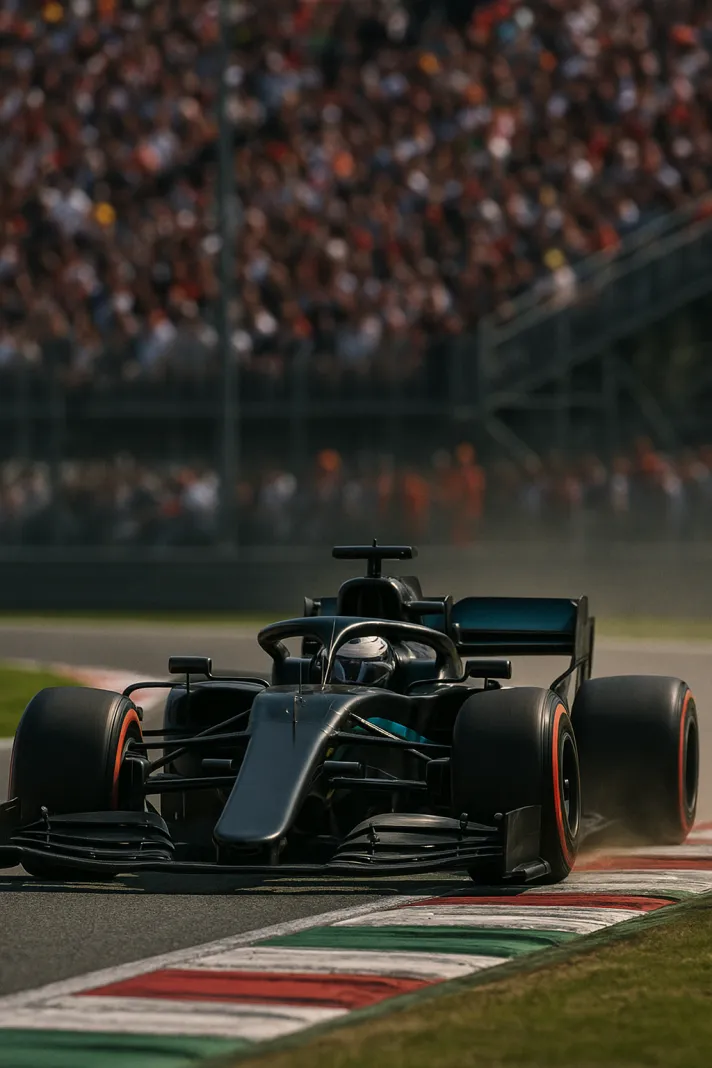
Historically, Formula 1 betting gained momentum in India as access to international racing improved through digital streaming and mobile technology. With the sport’s growing presence on platforms like Hotstar and F1 TV, Indian fans can now follow every qualifying session and race in real time, making the experience more interactive than ever.
This guide explores all major aspects of Formula 1 betting in India — from basic rules and bet types to market analysis, strategies, common mistakes, and the legal framework. It aims to help readers enjoy the excitement of F1 responsibly, combining knowledge, research, and passion for the world’s fastest sport.
Basic Rules of the Sport
How Formula 1 Works
20 Drivers
Each season features 10 teams, each fielding two drivers competing for the World Championship.
Grand Prix Weekends
Practice on Friday, qualifying on Saturday, and the main race on Sunday — across circuits worldwide.
First to the Flag Wins
The winner is the first driver to complete the designated number of laps and cross the finish line.
Formula 1 is the highest class of open-wheel racing, governed by the Fédération Internationale de l’Automobile (FIA). The championship features 20 drivers and 10 teams competing in a global season of Grands Prix events held on purpose-built circuits and street tracks. Each race weekend includes multiple practice sessions, a timed qualifying round that sets the grid order, and the Main Race on Sunday.
Unlike traditional timed sports, F1 races are lap-based. The goal is simple — complete the full distance first — but the variables are immense: tyre strategy, weather conditions, pit-stop timing, and safety-car deployments can all change the outcome in seconds. Drivers must hold an FIA Super Licence, the highest grade of racing permit, and all circuits must meet strict Grade 1 safety standards.
Championship points are awarded to the top ten finishers — 25–18–15–12–10–8–6–4–2–1 — contributing to both Drivers’ and Constructors’ Championships. Consistency across the season often matters more than individual race wins, which adds a unique strategic layer for bettors following long-term outcomes.
Important: Race results can change instantly due to mechanical failures, pit-lane errors, weather shifts, or penalties issued by stewards. These unpredictable elements are central to Formula 1 and must always be considered when evaluating betting odds.
Understanding the structure of a race weekend is essential before betting. Performance in practice sessions can hint at qualifying pace, while grid position strongly affects race strategy. A driver starting in the top 3 statistically has the highest probability of finishing on the podium.
Knowing the rules of Formula 1 is just the foundation. Successful bettors study pit-stop patterns, tyre choices, and weather-based strategies to anticipate momentum changes. From Monaco’s narrow streets to Silverstone’s high-speed straights, every circuit offers distinct challenges that shape how races — and bets — unfold.
Types of Formula 1 Bets
The world of Formula 1 betting provides a variety of markets suited for different levels of analysis and experience. Whether you are new to motorsport wagering or already familiar with the grid, understanding the main bet types can help you make more informed and strategic decisions throughout the season.
The most straightforward and popular market is the Race Winner bet. You simply predict which driver will cross the finish line first in a Grand Prix. While it may sound simple, tyre wear, weather changes, and pit-stop timing can completely change outcomes. Even dominant favourites like Max Verstappen or Lewis Hamilton can be affected by safety cars or team strategies.
A Podium Finish bet focuses on whether a driver will end the race in the top three. This is a popular and relatively safer option for consistent performers such as Charles Leclerc or Lando Norris. Podium betting rewards those who pay attention to qualifying results and race pace consistency.
In the Fastest Lap market, you bet on the driver who will record the quickest lap during the race. This often happens in the later stages when fuel levels are lowest and the track is cleanest. Teams sometimes push for this point strategically — especially when the race leader has already secured their position.
The Pole Position market covers qualifying sessions, where you predict which driver will start first on the grid. Qualifying takes place on Saturday and is divided into three timed rounds (Q1, Q2, Q3). Betting on qualifying can be more data-driven, focusing on one-lap speed and track temperature conditions.
The Head-to-Head market lets you compare two drivers directly — for example, George Russell vs. Carlos Sainz. You simply predict which driver will finish higher. This type of bet is ideal for those who study team strategy and driver performance trends within the same race weekend.
Many bookmakers offer special markets such as Safety Car appearance or First Driver to Retire. These depend heavily on the circuit layout and weather risk. For example, Monaco and Singapore are narrow street tracks with higher crash probability, making Safety Car bets especially relevant.
You can also bet on whether a driver finishes in the Top 6 or Top 10. These markets reward consistent performers and are often used by risk-conscious bettors looking for moderate but steady returns. Factors like pit strategy and car reliability are key in evaluating these bets.
The Accumulator (or Multi-Bet) combines several F1 selections, such as predicting winners across multiple Grands Prix or outcomes from qualifying and the race. All selections must succeed for the bet to win, offering potentially high payouts but increased risk — best suited for experienced bettors.
Each Formula 1 betting market has its own rhythm and logic. Success comes from understanding not just the odds, but the context — track characteristics, weather forecasts, and team performance history. Avoid guessing; base your strategy on data, qualifying analysis, and season trends for truly informed wagering.
What Formula 1 Betting Markets Are Available
Modern Formula 1 betting goes far beyond predicting who will win the race. Bookmakers in the UK now offer a wide range of markets covering every part of a Grand Prix weekend — from practice sessions and qualifying to the main race. This variety gives bettors the freedom to find value based on their knowledge of teams, drivers, and track conditions.
The most popular Formula 1 betting markets include Race Winner, Podium Finish (Top 3), Fastest Lap, and Pole Position. These are standard options across all major betting platforms and cover both individual races and season-long outrights such as the World Drivers’ Championship or Constructors’ Championship.
If you prefer a more tactical approach, explore Head-to-Head or Top 6 / Top 10 Finish markets. These let you back a driver to outperform a specific rival or to finish within a defined position range. For example, betting on Lando Norris to finish Top 6 can be a smart choice on high-speed circuits like Silverstone, where McLaren traditionally performs well.
For deeper analysis, specialised markets include Safety Car appearance, First Driver to Retire, Winning Margin, or Total Classified Finishers. These are influenced by track layout and reliability — for instance, narrow street circuits such as Monaco and Singapore tend to produce more incidents, while venues like Bahrain or Monza usually see cleaner races.
Some platforms now feature statistical markets based on driver or team performance — for example, total pit stops, number of overtakes, or fastest sector times. These are popular with data-driven bettors who follow telemetry and performance metrics released after each practice and qualifying session.
Live or in-race betting has become one of the most exciting aspects of F1 wagering. Odds change dynamically as the race unfolds — after pit stops, weather shifts, or Safety Car deployments. Real-time betting requires quick decision-making and a strong understanding of race pace, tyre degradation, and team strategy.
Long-term fans can also bet on seasonal markets such as who will win the Drivers’ Championship or the Constructors’ title. These bets span the full season and require careful observation of form, technical updates, and team development over multiple races.
Understanding how each market reacts to track conditions, team strategies, and weather can help you identify where the odds offer real value. Formula 1 rewards patience and analysis — combining data from practice sessions with race-day insight is often the best way to find consistent success across multiple markets.
Bonuses and Promotions
Leading international sportsbooks that accept Indian players — including 10Cric, Parimatch, and Betway — offer generous welcome bonuses for new users. These are typically tied to your first deposit and may include 100% matched funds up to a set limit in INR. Always review the terms and wagering requirements carefully before opting in, as conditions vary by platform.
Many sites also provide Formula 1 free bet credits that let you wager without using your own balance. If your pick wins — for example, predicting the fastest lap or podium finisher — you keep the net profit, but not the stake itself. This helps beginners test different F1 markets in a low-risk environment.
Some India-facing operators feature cashback programs or loss rebates on F1 bets placed over a race weekend. For instance, 10% cashback on net losses for the Monaco Grand Prix or British GP. These offers reward consistent engagement and promote responsible, long-term play rather than high-risk betting.
Enhanced odds or price boosts appear frequently around major races like Silverstone or Monza. They provide improved payouts on selected drivers or special outcomes — for example, Verstappen to win & fastest lap. These promotions are best used strategically, with proper bankroll control and realistic expectations.
For fans who enjoy multiple race predictions, accumulator boosts offer additional rewards when all selections win. You can combine bets across several Grands Prix — such as podium finishes or fastest laps — for a higher payout. Remember, all legs must succeed, making these high-risk, high-reward options.
During key moments of the season — like the F1 opener in Bahrain or the Abu Dhabi finale — bookmakers often introduce limited-time offers such as free bet challenges, leaderboard contests, or double winnings on correct predictions. Treat bonuses as a fun addition to your Formula 1 betting experience, not a guaranteed profit source.
Formula 1 Betting Strategies in India
In Formula 1, value betting is one of the most effective long-term strategies. It involves identifying odds that underestimate a driver or team’s true potential. For example, if data shows that Lando Norris performs exceptionally well at circuits like Silverstone or Austria but bookmakers still price him high, that’s a value opportunity. Over time, spotting these statistical mismatches can yield steady, sustainable returns.
A reliable approach for Indian bettors is flat betting — placing the same stake on every race or qualifying session. This helps maintain discipline across a long season of over 20 Grands Prix. Whether it’s a chaotic race in Monaco or a predictable one in Bahrain, fixed staking prevents emotional overreactions and supports long-term bankroll management.
Live betting plays a major role in Formula 1, especially during unpredictable races. Situational strategies — such as betting on safety car periods, late pit stops, or weather changes — can be highly effective. For instance, if rain begins mid-race and a team is known for smart tyre choices (like Mercedes or Red Bull), placing a live bet on them to gain positions can be a tactical move. These strategies depend on timing and race awareness, not guesswork.
Successful F1 bettors rely heavily on data analysis before placing wagers. Examining qualifying pace, tyre degradation, weather forecasts, and circuit-specific performance gives you an edge. For Indian players, following live telemetry, practice session results, and expert previews can transform casual betting into an analytical, statistics-based process.
Proper bankroll management is critical for long-term F1 betting success. The sport’s unpredictable nature — from red flags to technical failures — means that even favourites can fail to finish. Limit each stake to a small portion of your total budget, avoid chasing losses, and track your wagers over multiple races. Discipline and structure always outperform emotion.
Ultimately, no Formula 1 betting system guarantees profit. The key to consistent success is a combination of logic, patience, and technical understanding. Stay updated with team developments, driver interviews, and car upgrades. Treat betting as a strategic form of engagement — one that enhances your enjoyment of the race rather than dominating it.
Beginner Tips for Formula 1 Betting
Don’t spread yourself too thin — focus on races you understand well. Study specific circuits like Silverstone, Monaco, or Suzuka, where data and performance history are consistent. Avoid random or lesser-known tracks until you’re confident in reading race dynamics. Well-researched selections almost always outperform guesswork.
Avoid chasing either very low odds (such as 1.10–1.25) or extremely high odds (above 8.00) without solid reasoning. Low odds often look “safe” but offer poor returns when unpredictable incidents like mechanical failures occur. Real value usually sits in the 1.80–3.00 range, especially when backed by qualifying data or weather insight.
Your bankroll is your fuel tank — manage it carefully. Never risk more than 2–5% of your balance on a single race or qualifying bet. Keep a detailed record of your wagers to track which strategies perform best. Avoid “all-in” bets — F1’s unpredictability means even favourites can crash out or suffer tyre failures.
Stay emotionally neutral. Don’t chase losses after a surprise DNF or rain-affected race. If you’re winning, avoid overconfidence and stick to your staking plan. Formula 1 seasons are long — discipline and consistency will always beat impulsive betting based on emotion.
Always bet responsibly and with money you can afford to lose. Treat betting as an analytical extension of your F1 passion, not a shortcut to profit. Use race stats, practice results, and expert analysis before each wager. Every successful F1 bettor in India started small — focus on learning, not luck.
Common Mistakes in Formula 1 Betting
One of the biggest mistakes among new bettors in India is betting based purely on intuition rather than data. Formula 1 outcomes are influenced by strategy, tyre choice, weather, and team orders — not random chance. Placing a quick bet without reviewing qualifying results or race conditions is a fast way to lose consistency.
Supporting your favourite driver or team — like Ferrari or Red Bull — can cloud your judgment. Emotional loyalty often overrides realistic assessment. A smart bettor separates passion from probability and bases decisions on performance trends and circuit compatibility, not personal preference.
Many beginners overlook track layout and weather influence. Some drivers excel on high-speed circuits like Monza, while others perform better on technical tracks like Monaco or Singapore. Failing to account for rain, tyre degradation, or pit strategy can turn a promising bet into a costly mistake.
A dangerous trap is chasing losses — raising stakes after a losing bet to “win it back”. In a sport as unpredictable as Formula 1, this almost always leads to deeper losses. The best approach is to stay disciplined, analyse what went wrong, and apply that insight to future races. Consistency beats emotion every time.
Major Races and Championships
The FIA Formula One World Championship is the highest level of motorsport and the central focus of global Formula 1 betting. Each season features over 20 Grands Prix held across multiple continents — from Monaco and Silverstone to Suzuka and Abu Dhabi. The championship is divided into two parallel competitions: the Drivers’ Championship and the Constructors’ Championship, both decided through a season-long points system.
Certain tracks have achieved legendary status due to their history and unique challenges. Monza in Italy rewards top-speed setups, while Monaco tests precision with its narrow streets and zero margin for error. Spa-Francorchamps in Belgium is known for unpredictable weather, and Silverstone in the UK remains the spiritual home of Formula 1. Understanding track characteristics helps bettors analyse which teams and drivers are likely to perform best.
Each race contributes points toward the season’s two main titles: the Drivers’ Championship (for individual racers) and the Constructors’ Championship (for teams). Legendary drivers such as Michael Schumacher, Lewis Hamilton, and Max Verstappen have dominated the sport, while teams like Ferrari, Mercedes, and Red Bull remain consistent favourites for both bettors and fans. Understanding team dynamics is essential when predicting performance across a long season.
Modern Formula 1 has expanded to new destinations such as Las Vegas, Qatar, and Saudi Arabia, introducing unique race formats and conditions. Night races in Singapore and Bahrain add extra visual spectacle — and unpredictable betting scenarios. For Indian fans, the sport’s global schedule offers weekly betting opportunities from March to December, making it one of the most dynamic markets in motorsport.
Although India’s Buddh International Circuit has hosted past Grands Prix, discussions about a future return continue. Growing fan interest and better online access have made Formula 1 betting increasingly popular among Indian audiences, who now follow both live races and virtual simulations closely. This expanding engagement signals a promising future for motorsport betting in the region.
Responsible Gambling
Responsible gambling remains a vital part of any safe betting experience. In India, where Formula 1 betting is gaining popularity, it’s important to maintain full control over your budget and time. Betting should always be seen as entertainment connected to the excitement of motorsport — never as a guaranteed income source or way to recover losses.
A crucial first step toward responsible play is setting clear personal limits for deposits, wagers, and activity time. Most licensed platforms accepting Indian users provide features like self-exclusion and temporary cooling-off periods, allowing bettors to take a pause if betting starts to interfere with daily responsibilities or well-being.
Recognising early warning signs is essential. Feeling pressure to chase losses, hiding bets, or betting impulsively after an unexpected race result are all indicators that it’s time to step back. Practising self-awareness and moderation helps ensure that betting on Formula 1 remains enjoyable and sustainable.
India supports multiple initiatives focused on safe and transparent gaming. The All India Gaming Federation (AIGF) actively promotes the Responsible Gaming Code, urging platforms to implement player protection measures. International organisations like GamCare and BeGambleAware also provide confidential support, educational resources, and helplines for anyone seeking help or advice.
Payment Methods in India
Licensed Formula 1 betting platforms available to Indian users support a wide selection of secure and verified payment methods. Deposits and withdrawals can be processed using UPI (Unified Payments Interface), Paytm, Google Pay, and NetBanking — the same systems trusted daily by millions across India’s expanding digital ecosystem.
UPI has become the most widely used option for Indian bettors thanks to its instant processing and zero transaction fees. It allows users to transfer money directly between bank accounts through apps like Paytm, PhonePe, and Google Pay. Most betting platforms with Indian access integrate these wallets for seamless deposits and same-day withdrawals.
NetBanking offers direct transfers through the bettor’s official bank portal, ensuring strong authentication and traceability. While withdrawals via NetBanking can take slightly longer than UPI, this method is often preferred for larger transactions due to its high level of encryption and compliance with RBI security protocols.
Some international Formula 1 betting sites accessible from India also accept cryptocurrencies like Bitcoin (BTC), Ethereum (ETH), and Tether (USDT). These enable fast cross-border payments with enhanced privacy. However, users should verify exchange rates, withdrawal policies, and the site’s compliance with anti-money laundering (AML) regulations before using crypto wallets.
Regardless of which payment method you choose, always prioritise platforms that use SSL encryption, follow KYC verification, and hold valid international licences. Compared to systems like PayPal or Skrill, Indian methods such as UPI and Paytm offer faster, more locally adapted processing for Formula 1 betting — ensuring both speed and security.
Glossary of Formula 1 Betting Terms
Understanding the key Formula 1 betting terms helps Indian bettors interpret odds, read race markets, and make smarter predictions. Below is a concise guide to commonly used terms across F1 betting platforms.
- Outright Winner: A bet on the driver who will win a specific Grand Prix. This is the most common market in Formula 1 betting.
- Podium Finish: Predicting that a driver will finish in the top three positions — a safer alternative to backing the outright winner.
- Fastest Lap: A bet on the driver who records the quickest single lap during a race, often influenced by tyre strategy and fuel load.
- Pole Position: The driver who qualifies fastest on Saturday and starts from the front of the grid in Sunday’s race.
- Driver Matchup: A market comparing two specific drivers — you bet on who finishes higher, regardless of overall race result.
- Safety Car Bet: Predicting whether a safety car will appear during the race. This is common on circuits like Monaco and Baku, where incidents are frequent.
- Retirement Market: A wager on whether a driver will fail to finish the race due to crash or mechanical issue.
- Constructor Bet: Betting on which team — such as Ferrari, Mercedes, or Red Bull — will score the most points in a given race or over the season.
- Qualifying Bet: Markets based on Saturday sessions, including fastest lap, top-three qualifiers, or elimination rounds (Q1, Q2, Q3).
- In-Play (Live Betting): Placing bets during the race as odds shift in real time based on overtakes, pit stops, or weather changes.
- Accumulator (Multi Bet): Combining several F1 selections — for example, multiple race outcomes or markets — into one ticket for higher potential returns.
- Stake: The amount of money placed on a bet. Responsible staking is essential, especially during unpredictable races or wet conditions.
- Value Bet: When the bookmaker’s odds underestimate a driver’s or team’s real chances — often identified through data and performance analysis.
- Odds: The numerical expression of probability that determines potential payout — e.g., 2.50 odds means ₹100 returns ₹250 including stake.
- Bankroll: The total balance a bettor allocates for wagering. Maintaining clear bankroll discipline helps avoid emotional betting.
- Cash Out: A feature allowing you to settle your bet early — useful if your driver is leading but conditions may change before the finish.
Familiarity with these Formula 1 betting terms can give Indian users a real advantage when navigating race markets, understanding odds, and managing their bets responsibly. Knowing the language of the sport is the first step toward informed, confident, and enjoyable wagering.
Real-Life Betting Examples
Ahead of the Hungarian Grand Prix, bookmakers heavily favour Max Verstappen and Lando Norris, but a bettor notices Oscar Piastri’s strong qualifying pace and consistent lap times in practice sessions. With odds set higher than expected, they back him for a podium finish — a classic value bet where statistics outweigh public perception.
During the Singapore Grand Prix, an early Safety Car deployment changes pit-stop strategies. Spotting that Ferrari’s Charles Leclerc stays out longer on fresher tyres, an Indian bettor places a live in-play bet on him to finish in the top three. By reading the strategic shifts instead of reacting emotionally, they turn data into a tactical edge.
In the Belgian Grand Prix, a bettor notices that Lewis Hamilton often goes for the fastest lap late in the race after a pit stop for fresh tyres. With odds of 4.50 available for the fastest lap market, they place a small stake and win as Hamilton secures the bonus point — an example of using driver patterns and team tactics to advantage.
After joining a licensed international bookmaker that accepts Indian users, a new customer receives a free bet. Instead of risking it on a race winner, they use it on the qualifying pole position market — backing George Russell after analysing track layout and Mercedes’ high-downforce setup. It’s a smart, low-risk way to learn the dynamics of Formula 1 betting.
A bettor builds a weekend multi-race accumulator covering the British and Austrian Grands Prix. After four successful picks, the final event looks uncertain due to rain. Rather than risk the full payout, they choose an early cash-out to secure profits — showing responsible betting discipline and smart bankroll management.
Laws & Licensing in India
The legal framework surrounding Formula 1 betting in India is defined by a combination of national and state-specific laws. Currently, there is no unified federal law regulating online betting in the country. Instead, each state determines its own approach — allowing, restricting, or not yet addressing digital wagering activities. The core legislation, the Public Gambling Act of 1867, predates online technologies, leaving significant ambiguity for modern betting platforms, including those covering Formula 1.
States such as Sikkim and Goa have taken more progressive steps by permitting regulated betting and gaming within controlled frameworks. Nagaland issues licences for certain skill-based online games, setting early examples of structured oversight. Conversely, states like Tamil Nadu and Andhra Pradesh have implemented stricter prohibitions, resulting in a fragmented legal landscape across India.
The All India Gaming Federation (AIGF) plays a key role in promoting industry standards through its Responsible Gaming Code of Conduct, focusing on fair play, age verification, and self-exclusion tools. Meanwhile, policy think-tanks such as NITI Aayog continue discussions on establishing a national regulatory framework for online gaming and betting. Such measures aim to balance consumer protection with economic growth and transparency in taxation.
It is essential to distinguish between casino gaming and sports betting in the Indian context. Casinos operate legally only in specific jurisdictions like Goa and Sikkim, whereas online sports betting — including Formula 1 markets — exists in a grey legal zone. International bookmakers that accept Indian players typically operate under offshore licences from jurisdictions such as Malta, Gibraltar, or Curaçao. While these licences fall outside direct Indian jurisdiction, they must adhere to responsible gambling principles and consumer safety guidelines.
In practice, Indian bettors can safely access licensed international platforms that support local payment methods like UPI, Paytm, or NetBanking. As India continues modernising its digital policy landscape, bettors are encouraged to use only legally compliant, transparent, and reputable operators. Staying informed about state-specific updates and engaging in responsible gambling practices remains the best approach for those interested in Formula 1 betting.
Frequently Asked Questions (FAQ)
Choose a licensed international bookmaker that offers Formula 1 markets and accepts Indian players. Create an account, complete KYC verification, and make your first deposit via UPI or NetBanking. Once your profile is verified, you can explore upcoming Grand Prix races, check odds, and place your first bet responsibly.
Online betting laws in India vary by state. Some states like Sikkim and Goa allow regulated gaming, while others maintain restrictions. Formula 1 betting is usually offered by offshore bookmakers operating under international licences such as MGA or Gibraltar. Indian users may participate safely if they use trusted, licensed operators.
Indian bettors commonly use UPI, Paytm, Google Pay, and NetBanking for deposits and withdrawals in rupees (INR). Some bookmakers also support cryptocurrencies like Bitcoin or USDT for faster international transfers. Always confirm your preferred method is supported before funding your account.
You can bet on race winners, podium finishes, fastest laps, or qualifying results. Other markets include driver matchups, safety car appearances, and top 6 or top 10 finish. Many platforms also feature in-play betting, letting you react to real-time race developments.
Set a monthly budget and never stake more than 2–5% of your total bankroll on a single race. Record your results to monitor performance and avoid impulsive wagers after losses. Consistent staking and patience are key for long-term sustainability.
Yes. Many sportsbooks allow bets on qualifying results, such as who will claim pole position or which driver will advance to Q3. Some also offer odds for fastest in practice sessions, though these are usually lower-stakes markets for experienced bettors.
Absolutely. In-play betting allows you to wager while the race is in progress. Odds fluctuate in real time depending on incidents, pit-stop strategies, or weather changes. This type of betting is ideal for users who follow F1 closely and can interpret live developments quickly.
Withdrawals can be processed to your UPI ID, bank account, or digital wallet. Processing time varies from a few hours to 2–3 business days. Always verify your account with valid ID to ensure smooth and secure transactions.
The legal age for participating in any online betting activity is 18 years. All legitimate operators conduct age and identity verification before allowing deposits or withdrawals to ensure compliance with responsible gaming policies.
Conclusion – The Future of Formula 1 Betting in India
Formula 1 betting in India is entering a period of steady growth and maturity. With increasing viewership on digital platforms and greater accessibility through mobile apps, Indian fans are showing stronger engagement with motorsport analytics and betting markets. The combination of real-time race data, live odds, and secure payment solutions has made F1 betting both faster and more transparent.
The long-term success of Formula 1 betting in India depends on regulatory clarity and responsible gaming oversight. As bodies like the All India Gaming Federation (AIGF) and NITI Aayog continue discussions on digital regulation, the landscape may gradually move toward licensed and transparent operations. A structured system would help protect users, ensure fair play, and build trust in the emerging motorsport betting ecosystem.
Technological progress — including AI-driven analytics, predictive race models, and integrated live-betting tools — is transforming the way fans experience Formula 1. Interactive race data, weather-adjusted forecasts, and telemetry-based insights are enabling bettors to make data-informed decisions, redefining engagement beyond simple race outcomes.
As Formula 1 expands its global reach, India’s betting interest in motorsports can contribute to the country’s broader digital entertainment and fintech sectors. Licensed operators could eventually support innovation, taxation, and consumer protection frameworks. However, this growth must remain aligned with responsible gambling standards and user education.
In summary, the future of Formula 1 betting in India will rely on a balance of technology, regulation, and responsible participation. With transparent practices and awareness-led engagement, the industry can evolve into a modern, fair, and well-regulated space that allows fans to enjoy the thrill of the race responsibly and securely.