


Cycling Betting – Complete Guide
Introduction
Cycling is more than just a sport – it combines endurance, discipline and tactical decisions across some of the most demanding routes in the world. For Indian users, it is also a betting category that rewards patience, event knowledge and careful reading of race conditions.
Why cycling is gaining attention among bettors:
- A growing calendar of international tours and races, including the Tour de France, Giro d'Italia and Vuelta a España.
- A wide range of betting markets – stage winner, overall winner, individual rider matchups and more.
- Access to long-term betting options, where strategy, timing and analysis play an important role.
- Useful statistics, rider form and race previews that help users make more informed decisions.
- Availability of live betting, where odds can shift quickly as the race develops in real time.
- Clear race dynamics through stages, jerseys and team roles, making cycling more engaging to follow beyond the final result.
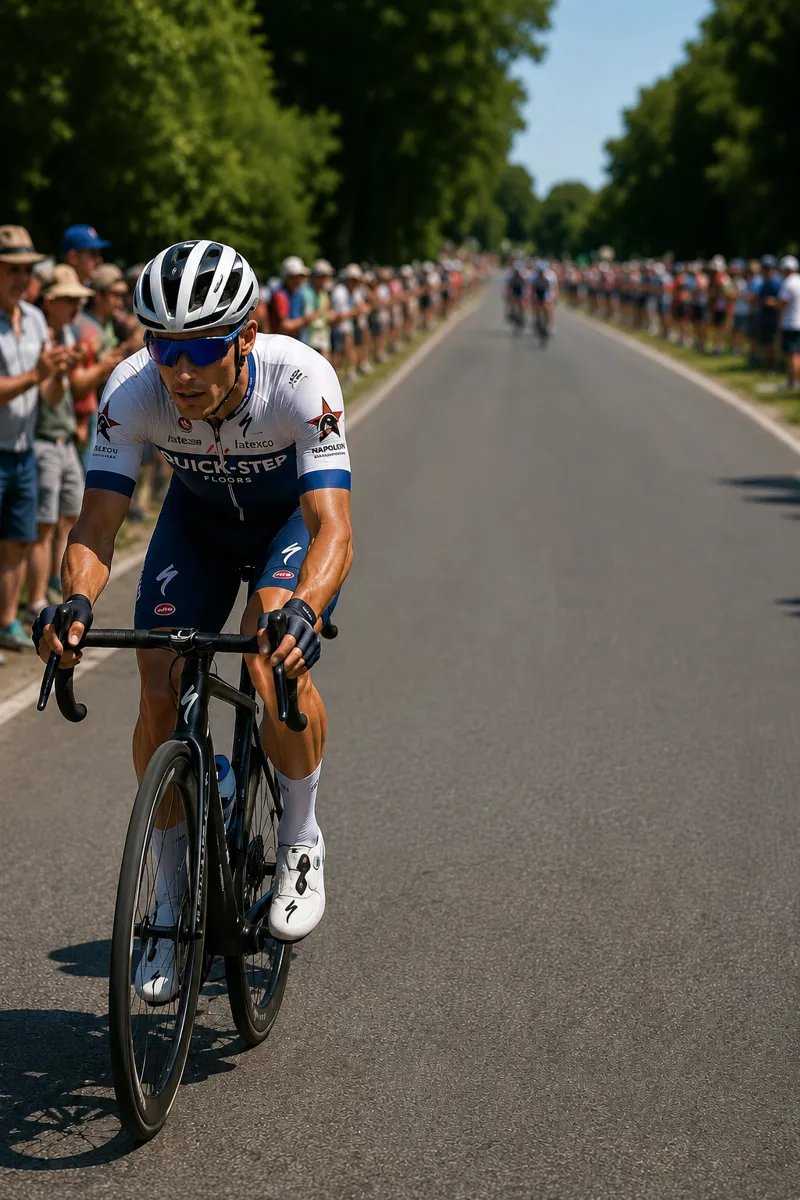
The history of cycling betting goes back to the early 20th century, but online platforms made race markets easier to follow from home or on the move. Today, Indian users can track major cycling events through smartphones and tablets, while keeping attention on INR balances, terms and local requirements.
In this guide, we cover the most popular races, the main types of cycling bets, practical strategy tips and the common mistakes to avoid. The focus is on informed, responsible betting and a better understanding of how race format, terrain and rider roles affect the market.
Basic Rules of the Sport
Rules
Individual or team-based
Races can be decided by individual performance or by strong team strategy.
Different lengths and formats
Stage races, one-day classics, time trials and other cycling formats.
Victory through time
The fastest rider wins, while tours are decided by total accumulated time.
Cycling is a sport that demands both physical endurance and tactical precision. Races take place across different terrains – mountain roads, flat routes, city circuits and technical sections. For Indian users following international cycling, the key is understanding how each race format changes the betting picture.
Depending on the format, a race can be an individual time trial or a multi-day tour with several stages. In stage races, the winner is the rider with the shortest total time. Team strategy is central – the leader often receives support from teammates who protect him from wind, control the pace and manage the race tempo.
There are no goals or sets – time and finishing position decide the outcome. Every moment matters: a descent, crash or wrong equipment choice can change the result and the betting market within seconds.
Important: factors such as weather, route gradient, wind, climb category and team tactics have a major impact on the final result and, in turn, on cycling bets.
Before placing cycling bets, it is important to understand the type of race – whether it is a mountain stage, time trial or sprint stage, as well as the specialisation of the riders. A sprinter is not expected to dominate high mountain sections, but can be very strong on flat terrain.
Understanding how cycling works means looking beyond the race leaders and following team dynamics, race strategies and rider form. A disciplined bettor does not focus only on the finish line – the full route, race context and timing of attacks are just as important.
Types of Bets
In the world of cycling betting, there are many options to choose from – from individual stage winners to overall classifications. Each type of bet has its own specifics, so it is important to understand how the market works before placing a wager.
One of the most common options is the stage winner bet. Here, the goal is to predict which rider will finish first in a specific stage. This requires a clear reading of the terrain (mountain, flat, time trial) and the specialisation of each rider.
With an overall winner bet, you choose who will win the entire race – for example the Tour de France or the Giro d’Italia. This is a long-term bet that requires analysis of form, team support and the route profile.
Group bets focus on which rider will perform best within a selected group. For example, a market can compare riders from the same country, team role or classification group. This gives Indian users a structured way to assess performance without relying only on the outright race winner.
A head-to-head bet is a direct comparison between two riders – which one will finish ahead in a stage or in the overall classification. This market is often more focused than betting on the overall winner and is usually based on statistics, route suitability and current form.
Special markets include predictions such as best young rider, best climber, number of stage wins by a specific rider, or whether a particular team will win a stage. These bets require a deeper understanding of the discipline and the role each rider has within the race.
Live betting in cycling is especially relevant during longer stages. Users can react to attacks, loss of pace, crashes or weather conditions that affect the race. Careful observation is important because live odds can move quickly as the stage changes.
In cycling betting, analysis and strategy matter more than reputation alone. It is important to follow form, stage profile and team dynamics. The strongest betting choice is not always the biggest name, but the rider whose strengths match the conditions of the day.
Available Betting Markets
Cycling betting attracts interest around major tours such as the Tour de France, the Giro d’Italia and the Vuelta. Operators that serve Indian users usually focus on markets that reflect the structure of the race, giving both fans and analytical bettors a way to choose bets based on the event format and rider form.
One of the most popular markets is the stage winner. The bet is placed on which rider will win a specific stage of the tour. This is a market where form, terrain and team tactics are central. Sprinters are stronger on flat stages, while climbers usually have an advantage on mountain sections.
The long-term market for the overall winner of a tour is also widely followed. The bet is on who will win the general classification. This requires deeper analysis of seasonal form, the rider’s experience and the level of support from the team. The odds are often higher, but the risk is also greater.
Another useful market is a head-to-head duel between two riders. The operator sets a pair of cyclists, and the user selects which one will finish ahead in the stage or in the general classification. This type of bet suits users who understand the individual preparation, role and route suitability of the riders.
Other markets include classification-based bets – such as the holder of the yellow jersey for the general classification, the green jersey for the points classification, the white jersey for the best young rider, or the best climber jersey. These markets require more detailed analysis, but they give a broader view of how the race is developing.
Some events also include live betting, especially during the final kilometres of a stage. Users can also find markets around time gaps between riders or groups, which adds an extra layer of race reading in real time.
Cycling offers different market logic compared with more traditional betting sports. Knowledge of riders, stage profiles and team roles is essential for finding suitable selections. A careful strategy and attention to detail are more useful than simply following the biggest names in the field.
Bonuses and Promotions
If you are new to online betting and want to follow cycling, the first thing to check is the structure of the welcome bonus. For Indian users, the key points are the minimum deposit, INR balance support, eligible markets and the wagering requirements. A realistic example is a user depositing ₹500 or ₹1,000 and then checking whether cycling bets qualify under the bonus terms.
Some platforms for Indian users include free bets during major tours such as the Tour de France or the Giro. A free bet credited in INR can be used on a selected market, but the return usually depends on the exact promotion rules. The important part is to check whether the stake is returned or whether only the net winnings are credited.
During longer cycling events, cashback offers are also relevant for users who place several bets across different stages. The offer can be linked to losing bets, selected sports or a defined time period. For India market pages, the safest approach is to focus on the cashback rules, eligible INR bets and withdrawal conditions before treating the promotion as useful.
Operators that accept players from India often organise daily or weekly offers around major stages. These can include enhanced odds for a stage winner, top finish markets or selected classification bets. Such promotions should be evaluated through the actual odds, expiry time and market restrictions rather than treated as automatic value.
If you prefer combining several selections – for example stage winners, rider matchups or classification positions – combo bonuses can add extra value to accumulator-style bets. In cycling, this requires caution because crashes, weather and team tactics can affect even strong selections. A controlled stake in INR is more practical than building large combinations only for a higher bonus.
Around the major tours, there are also seasonal campaigns linked to race stages, leader jerseys or loyalty points. Indian users should read the terms carefully, especially the valid sports, INR requirements, wagering rules and withdrawal limits. Bonuses can make cycling betting more engaging, but they should always be used with a clear budget and responsible betting approach.
Betting Strategies
In cycling, value betting is especially relevant for stage winner markets or top 3 finishes. Riders with lower public attention can sometimes receive higher odds even when their form, team role or route profile suits the stage. These overlooked markets are where careful analysis matters most.
Flat betting – using a fixed stake – is practical in a sport like cycling, where unpredictable factors such as weather, crashes or mechanical problems often affect the result. A fixed INR stake helps users control the bankroll and avoid sharp swings after one difficult stage.
Although systems such as Martingale can look tempting, they carry high risk in cycling, where there is no safe bet. Progressive staking is especially dangerous when race conditions, team tactics and sudden incidents can change the market quickly. Clear limits and discipline are essential.
In cycling, it is crucial to understand the stage profile – whether it is mountain, flat or an individual time trial. This helps users choose the right riders for the day. Sprinters are stronger on flat stages, while climbers are better suited to mountain sections.
Follow rider statistics and form – recent performances, previous results on similar stages, team strategy and even wind conditions. For Indian users, preparation also includes checking odds in INR, market settlement rules and whether the selected race market is clearly listed before placing a bet.
Choose a strategy that matches your budget and patience. In cycling betting, the stronger approach is to observe, analyse and wait for the right moment. Combining sporting logic with responsible bankroll management creates a more controlled and sustainable way to follow the markets.
Tips for Beginners
For beginners in cycling betting, it is important to focus on races they understand. Start with major tours such as the Tour de France, Giro d’Italia and Vuelta, where there is more analysis, race coverage and statistics. Smaller events require extra caution because reliable information is often limited.
In cycling, do not rely only on low odds for big names. Races are long, demanding and often unpredictable, so favourites do not win every stage. Also be careful with high odds on unknown riders – check the reason behind the price before placing a bet.
Do not place your full budget on one stage. Manage your bankroll carefully and keep each stake at a controlled level, such as 3–5% of your available INR betting budget. Cycling is unpredictable and often depends on crashes, weather and team tactics. Keeping notes and tracking results helps avoid repeated mistakes.
After a losing bet, stay calm. Even the strongest riders lose stages in this sport. Review why the selection did not work instead of increasing the next stake to recover losses. Discipline is more important than emotion over the long term.
Treat betting as a form of sports entertainment, not as a source of income. Learn from each tour, read previews, follow rider condition and understand team roles. Every experienced bettor starts with small steps, and in cycling patience and knowledge are more useful than rushed decisions.
Common Mistakes
Betting without proper analysis of the rider profile is a common mistake. Every rider has different strengths – some perform very well on mountain stages, while others are better suited to flat sprint finishes. Ignoring this increases the risk of choosing the wrong rider for the specific race conditions.
The race route is essential in cycling betting. Underestimating it can lead to poor selections. Whether the course is mountainous, cobbled, flat or technical has a direct impact on the result. Always consider the route profile before placing a bet.
Team strategy is a major factor in cycling. Many beginners focus only on the team leader and ignore the role of the supporting riders. Without strong teammates, even elite cyclists can struggle to control the race. Study the team structure, strategy and recent form before making a selection.
Big names attract attention, but they do not always deliver the best betting value. Favourites often come with low odds, and not every race is a priority for them. Some riders conserve energy for more important stages or future events. Look for value in less popular riders whose profile fits the race.
Weather conditions can change the race quickly – wind, rain or heat all affect rider performance. Some cyclists handle difficult conditions better, while others lose rhythm. Always check the forecast, route exposure and race conditions before placing a cycling bet.
Real Bet Examples
In a Tour de France stage with a flat profile, a user places ₹500 on Jasper Philipsen to win at odds of 3.20. After reviewing the terrain, competition and final sprint setup, the selection is successful. Return: ₹1,600. This is a clear example of matching the bet to the stage profile.
A user places ₹200 on Tadej Pogačar to finish in the top three across three difficult stages. The odds for each top-three finish are around 2.00. With two successful selections from three, the user limits the overall risk and keeps the betting approach more balanced.
During live coverage of a mountain stage, a user notices that Remco Evenepoel attacks before the final climb. The operator still lists odds of 6.00. With a quick reaction and a ₹200 live bet, the return is ₹1,200 after Evenepoel holds his advantage to the finish.
A user places a combo bet on final classifications across three different tours: Vingegaard to win the Tour de France, Geraint Thomas to finish top 5 at the Giro and Yates to finish top 3 at the Vuelta, with combined odds of 9.50. With a ₹200 stake and all selections successful, the return is ₹1,900.
An operator credits a free bet in INR for a Giro d’Italia stage. The user applies it to the market “rider to wear the pink jersey after the stage” at odds of 5.00. The selection wins and the credited return follows the promotion rules. This shows why free bets should be used only after checking the eligible markets and settlement conditions.
Legislation and Licences
Cycling betting, like other online sports betting activity for Indian users, requires careful attention to local rules. India does not work as a single uniform betting market, so the rules differ between individual states. Before using any platform for events such as the Tour de France or the Giro d’Italia, users should check the legal position in their location and the terms of the operator.
For Indian users, the main point is not only whether an operator accepts registrations, but also whether the service is suitable under the relevant state-level requirements. A responsible approach includes checking account rules, age restrictions, INR support, verification requirements and the conditions attached to deposits, withdrawals and bonuses.
When choosing a site for cycling betting, review the operator’s licence information, company details and responsible gambling policy. International operators that accept players from India often display this information in the footer or legal section. Clear terms, transparent ownership and reliable account verification are important trust signals.
Using unclear or poorly presented betting sites carries serious risks, including loss of funds, weak customer protection and problems with personal data. Platforms with missing legal information, vague withdrawal terms or aggressive bonus wording should be treated with caution. The safer approach is to use operators with clear rules and transparent account conditions.
To assess an operator, check the legal information section, usually placed in the footer of the website. Look for company details, licence references, responsible gambling tools, privacy policy, payment terms and support channels. Indian users should also confirm that the platform supports INR accounts and that its terms match their local requirements.
Frequently Asked Questions (FAQ)
In cycling, users can bet on stage winners, overall tour winners, top 3 or top 10 finishes, and direct rider matchups. Some operators also offer special markets such as “rider to wear the yellow jersey after the stage”.
The most popular cycling events for betting are the Tour de France, Giro d’Italia and Vuelta a España. One-day classics such as Paris–Roubaix and Liège–Bastogne–Liège also attract strong interest from cycling fans and bettors.
Focus on the rider’s form, recent race results, terrain preference and role within the team. Some riders are stronger on mountain stages, while others perform better in sprints or time trials.
Yes. It is useful to bet according to the stage profile, while also following form, weather and team tactics. These factors often have a strong impact on rider performance and market movement.
Cycling betting carries risk because crashes, mechanical problems, weather and team decisions can change a race quickly. To manage risk, users often focus on more controlled markets such as head-to-head matchups or top 10 finishes.
Indian users should look for international operators that accept players from India, support INR accounts and clearly list cycling markets for major events. It is also important to check the operator’s terms, bonus rules, payment options and the local requirements that apply in the user’s state.